
 10 August, 2026
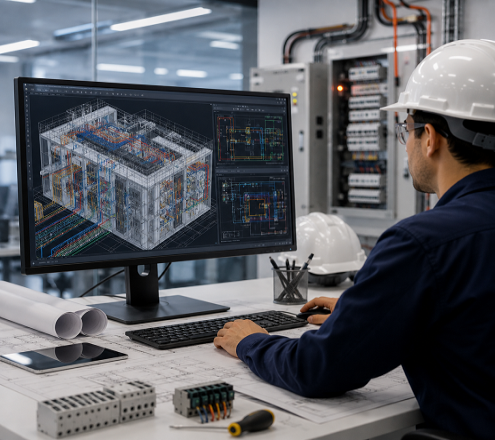
Industrial sites depend on safe power systems that support daily work across busy production areas each day. Many firms use Electrical Engineering and Design Services during expansion projects, needing reliable planning from the start. Poor planning often creates delays that affect production targets and place pressure on maintenance teams later on. Small design mistakes can raise repair costs for years and disrupt important upgrades much later on-site.
Good project teams study the site needs before work starts and review future growth plans carefully each time. They check loads carefully and review power demands across shifts before final drawings are approved by managers. Most buyers focus on price before checking design quality and long-term site performance during daily use.
Experienced design teams look beyond basic wiring during early project planning stages today alone. They study equipment loads before builders close walls or floors permanently on-site today. A factory running two shifts needs stable power for daily output and growth plans. Missing load checks often create faults after machines start working on busy lines later.
Most buyers compare prices first and miss important planning details completely at the start. Price is easy to compare and often hides future project risks far ahead. Good drawings reduce confusion between trades during busy construction periods significantly on most sites.
Strong engineering work supports safer operations across demanding industrial sites every day at scale. Many projects need Electrical Engineering and Design Services before major equipment arrives on site.
Several design checks shape better results during daily operations on-site.
Power Loads: Accurate load studies prevent overload issues and support stable machine performance during longer shifts each day.
Cable Routes: Clear route planning reduces clashes with building work and avoids costly changes during installation work later on.
Panel Layouts: Well-planned panels improve access for maintenance teams and reduce downtime during future repairs and service visits.
Safety Reviews: Early safety reviews find risks before construction starts and support smoother approval checks throughout project stages each time.
Most buyers ignore these checks early.
After installation, teams still face tests before final approvals are granted on many projects. Support during inspections often prevents small issues from becoming larger delays later on busy sites. A warehouse with hundreds of circuits needs careful follow-up work after the completion stage. Missed checks can hold handovers and affect opening dates badly for many firms today.
Local knowledge matters because rules differ across regions and project types in daily practice. Most buyers underestimate local experience during contractor and design reviews at the start. Good teams know the required forms and approval steps before submission on major jobs today.
Conclusion
Electrical Engineering and Design Services support reliable power systems across industrial projects today. Good planning reduces expensive changes and keeps work moving through construction stages each day. Strong drawings give teams clear direction before equipment reaches production areas on site safely. Most buyers gain more value from planning than from early price comparisons during project reviews.
A single design issue can affect output across several work shifts for long periods. Careful reviews often prevent delays during approval checks and final testing on many projects. Many firms review project details frequently before making decisions about future work plans.