 10 August, 2026
Fire safety plays a major role across modern buildings and busy industrial sites today. Many projects now depend on Intelligent Fire Protection Systems in UAE for stronger safety standards during daily operations. Poor system choices often create risks that remain hidden for long periods. Small faults can become serious problems during emergency situations inside occupied buildings.
Good planning reduces many safety concerns before installation work begins on site. Experienced teams review building needs before selecting system parts for each project. Most buyers focus heavily on cost during early discussions about safety work. Better decisions often come from careful planning rather than simple price comparisons.
Many buyers compare prices before checking system performance under real conditions. That approach often creates issues after installation work reaches the final stages. A large office tower may contain hundreds of detection points across different floors. Small planning gaps can affect safety during critical moments.
Most buyers ask the wrong questions during early project meetings. Price remains easy to compare and often hides future concerns. Good systems support faster responses when smoke appears inside occupied areas. Strong planning usually starts before the first device reaches the site.
The Features That Matter During Daily Protection
Good fire systems need careful review before final approval decisions.
Many projects choose Intelligent Fire Protection Systems in UAE during the planning stages. Most buyers ignore important details during early system reviews.
These features deserve close attention during project planning stages today.
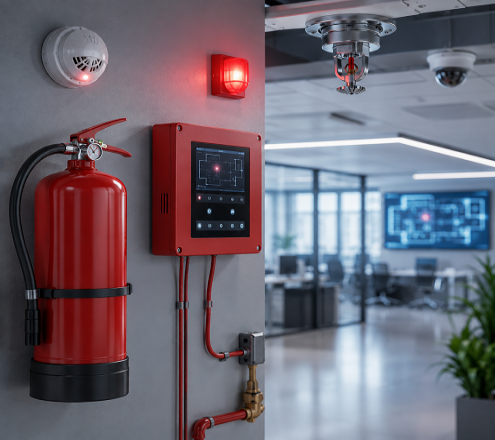
Smoke Detection: Early warning devices identify smoke quickly and support faster action during emergency events.
Control Panels: Modern panels track system status clearly and reduce confusion during urgent building incidents.
Alarm Networks: Connected alarms share alerts across buildings and support quicker responses from safety teams.
Monitoring Tools: Real-time monitoring spots faults early and supports steady system performance during operation.
Fire protection work continues long after installation teams leave the site. Buildings often require inspections before final approvals are granted by authorities. A commercial complex may need several review stages before full operation begins. Delays during reviews can affect opening schedules and daily activities.
Reliable support is especially valuable when faults arise during inspection periods. Most buyers underestimate follow-up work after installation reaches completion. Good teams remain involved when system adjustments become necessary during reviews. Careful follow-up often prevents avoidable delays during approval stages.
Many modern buildings operate around the clock with large numbers of occupants each day. Intelligent systems can identify issues faster than traditional setups during critical situations. A shopping mall may contain dozens of zones requiring separate monitoring and alerts. Early detection often gives occupants more time to respond safely during emergencies.
Building managers also gain better visibility into system status through central monitoring points. That added awareness supports quicker action when unexpected problems occur.
Conclusion
Intelligent Fire Protection Systems in UAE support stronger safety across many building types today. Good system choices reduce risks during daily operations and emergencies. Most buyers benefit from checking performance before discussing project costs. Careful planning often prevents problems that appear during later project stages.
A large facility may depend on hundreds of connected safety devices. Small mistakes can affect system response during important emergency events. Strong safety measures require attention from the earliest planning stages. Better protection often starts with careful system evaluation and informed decisions.